Information of Interest
The General Conditions of Air Transport (CGTA), Article 24 - Dangerous Goods, Gazette
Official No. 39,478, establishes:
-
"The passenger must not take on the aircraft any type of element that may be considered
as dangerous goods", "Likewise, the passenger must refrain from boarding any type of
element, drug or substance whose carrying, possession, trade or consumption is prohibited. Any element
ordinary, whose character is doubtful, must be reported at the time of the check, so that it can be determined
if it can be admitted on board"
-
Likewise, Venezuelan Aeronautical Regulation 110 (RAV 110), Section 110.8 - Goods
dangerous goods carried by passengers or crew, refers to all items carried
are prohibited as carry-on or checked baggage, which are listed below
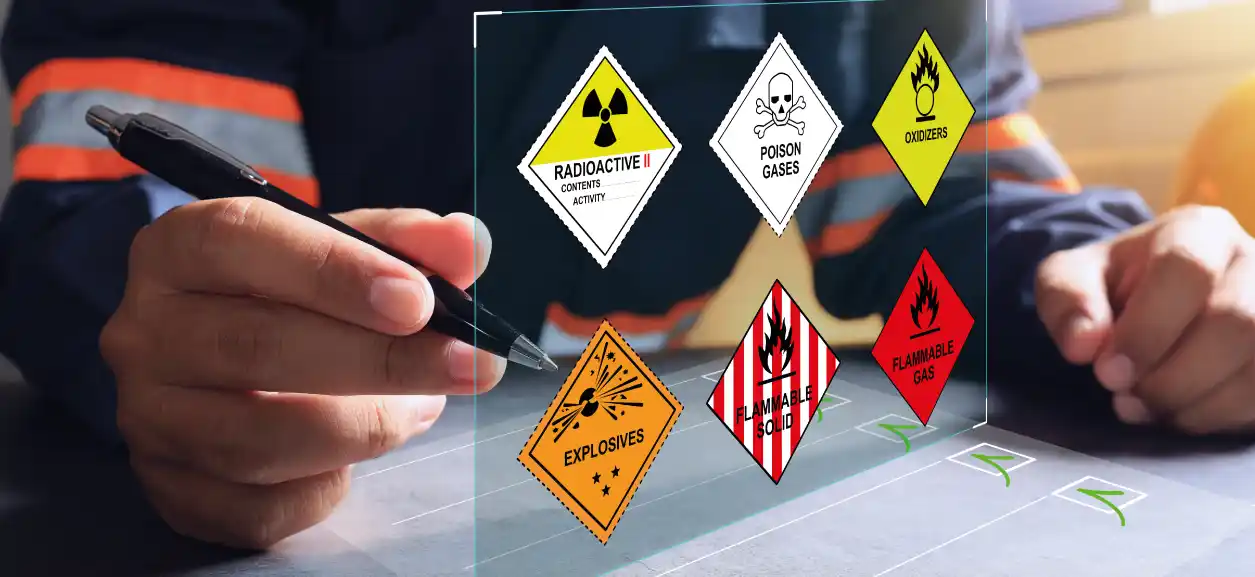
Classification of Dangerous Goods
- Class 1: Explosives (fireworks, ammunition).
- Class 2: Gases (aerosols, oxygen cylinders, diving tanks).
- Class 3: Flammable liquids (gasoline, paints, solvents).
- Class 4: Flammable solids (matches, carbon).
- Class 5: Oxidants and organic peroxides.
- Class 6: Toxic and infectious substances (pesticides, medical samples).
- Class 7: Radioactive material (smoke detectors).
- Class 8: Corrosives (acids, wet batteries).
- Class 9: Miscellaneous dangerous goods (lithium batteries, magnets, dry ice).
Key Passenger Restrictions:
-
Lithium batteries:
Spare batteries and power banks must be carried in hand luggage, never in the hold.
-
Prohibited:
Torch lighters, explosive substances, compressed gases and radioactive materials.
-
Statement:
It is mandatory to declare any dangerous goods to airline staff at the counter.
Failure to comply with these rules can lead to severe penalties and fatal risks during the flight. The regulations are based on the ICAO Technical Instructions.